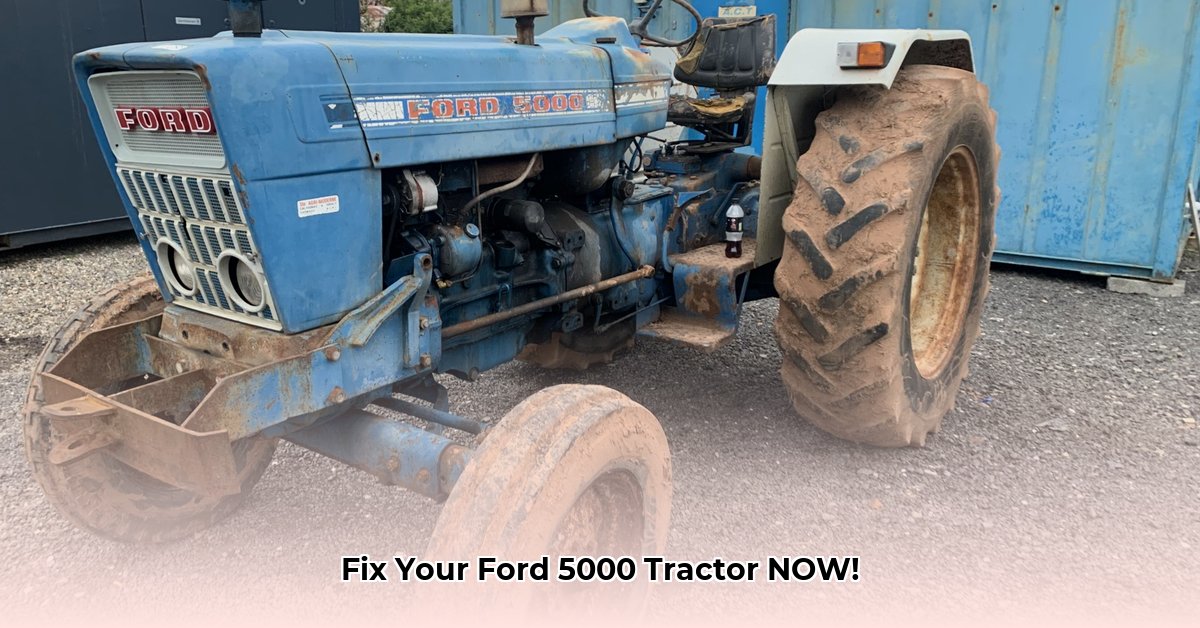
This comprehensive guide helps Ford 5000 owners troubleshoot and repair common issues. We'll cover hydraulics, electrical systems, transmissions, PTO, engines, and preventative maintenance, providing step-by-step instructions and practical advice to get your tractor back in top working condition. Remember: safety always comes first! Consult a qualified mechanic if you are unsure about any repair procedure. For additional resources, check out this Ford 3600 manual.
Hydraulic System Troubleshooting: Addressing Leaks and Low Pressure
Hydraulic problems are common in Ford 5000 tractors. But don't panic – many are easily resolved with careful attention.
Check Hydraulic Fluid Levels: Begin by checking the hydraulic fluid level. Low fluid is a major cause of problems. Add the correct type of fluid specified in your owner's manual; using the wrong fluid can cause significant damage. A simple fluid check can often prevent major headaches!
Inspect for Leaks: Systematically inspect all hydraulic hoses, connections, and fittings for leaks. Look for wet spots, drips, or even a faint mist. Small leaks, often ignored, can lead to substantial fluid loss and pump damage. Repair or replace any damaged components promptly.
Investigate Pump Issues: If fluid levels are adequate and no leaks are found, the hydraulic pump itself might be faulty. A whining sound from the pump or a significant reduction in hydraulic pressure strongly suggests pump malfunction. This typically requires professional attention due to the complexity of pump repair or replacement. Have you noticed any unusual sounds emitted from the hydraulic system?
Did You Know? Ignoring a small hydraulic leak can lead to a 50% loss of hydraulic fluid in just a few hours of operation, potentially causing irreversible pump damage.
Electrical System Diagnostics: Tackling Spark and Short Circuits
Electrical gremlins in older Ford 5000s are quite common. Frequently, the cause is surprisingly simple to address.
Clean Battery Terminals: Corrosion on battery terminals is a frequent culprit. Use a wire brush or a specialized terminal cleaner to thoroughly remove corrosion from both terminals. Ensure all connections are secure and tight.
Inspect Wiring Harnesses: Carefully inspect all wiring harnesses for signs of damage, such as fraying, cuts, or chafing. Pay close attention to areas subject to vibration or movement. Damaged insulation can result in shorts, causing erratic electrical behavior. Replace any damaged wiring immediately.
Test Alternator/Generator: A faulty alternator or generator (the components that charge the battery) will leave you stranded. If your battery consistently requires charging or your lights are dim, have these components tested by a qualified mechanic. A weakened battery dramatically reduces tractor efficiency.
Expert Insight: "Regular inspection of the electrical system, particularly in damp conditions, is paramount. Corrosion and moisture are a potent combination for electrical failures," notes John Miller, Master Mechanic, Miller's Tractor Repair.
Transmission Troubleshooting: Smooth Shifting and Operational Integrity
Transmission issues are serious and often require professional intervention. Early detection is crucial for preventing critical damage.
Transmission Fluid Check: Low or contaminated transmission fluid is a common source of shifting problems. Check the fluid level and condition. Use the correct type of fluid, stipulated in your owner's manual, and adhere to recommended fluid change intervals. Dirty fluid can rapidly degrade transmission components.
Listen for Unusual Noises: Pay close attention to any abnormal sounds emanating from the transmission, such as grinding, whining, or clanking. Such sounds indicate potential internal damage, necessitating prompt professional diagnosis. Ignoring these warnings can lead to catastrophic transmission failure.
Avoid Overloading: Avoid overloading your tractor; excessive stress greatly increases the risk of transmission damage. Always operate within the tractor's rated capacity.
Maintaining the PTO System: Power Take-Off Optimization
The PTO (Power Take-Off) is crucial for powering implements. Problems here can bring your workflow to a complete stop.
Inspect PTO Shaft: Regularly inspect the PTO shaft for bends, cracks, or other damage, as even minor damage can lead to significant problems. Replace any damaged or bent PTO shaft immediately.
Check PTO Clutch: Ensure the PTO clutch engages and disengages smoothly. A slipping clutch indicates wear and requires replacement. A failing PTO clutch is a serious safety hazard.
Lubricate Regularly: Regular lubrication of moving parts in the PTO system is essential for long-term functionality. Refer to your owner's manual for specific lubrication schedules and the appropriate type of grease. Proper lubrication prevents premature wear and tear.
Engine Maintenance: Ensuring Optimal Engine Health
Engine problems are often costly and complex. Preventative maintenance is key.
Regular Oil Changes: Regular oil changes are critically important for engine longevity. Strictly follow the recommended oil change intervals in your owner's manual. Don't compromise on this crucial aspect of tractor maintenance.
Oil Filter Replacement: Always replace the oil filter with every oil change. A clogged filter restricts oil flow, potentially leading to severe engine damage. It's a small part with a big impact.
Monitor Engine Sounds: Pay close attention to your engine's sounds. Unusual noises (knocking, rattling, squealing), excessive smoke, or sudden power loss necessitate immediate professional inspection. Early detection significantly reduces repair costs.
Preventative Maintenance Checklist: Avoiding Costly Repairs
Preventative maintenance is the most cost-effective approach to avoiding major repairs.
| Maintenance Task | Frequency | Notes |
|---|---|---|
| Fluid Level Checks (all) | Every use/weekly | Check hydraulic, engine, transmission, and coolant levels regularly. |
| Visual Inspection | Weekly | Inspect for leaks, damage to hoses, wiring, and loose connections. |
| Cleanliness | After each use | Cleaning your tractor helps early detection of potential problems. |
| Lubrication (as per manual) | Per owner's manual | Lubricate fittings and points as specified in your owner's manual. |
| Battery Check | Monthly | Check terminal connections for corrosion and battery charge levels. |
Parts Sourcing and Resource Links
Finding parts for a Ford 5000 might require some effort. Consider these resources:
Online Tractor Forums: Online communities offer valuable advice and parts sourcing suggestions.
Specialty Tractor Parts Suppliers: These suppliers often carry hard-to-find parts and offer competitive pricing.
Local Salvage Yards: Salvage yards sometimes have used parts but require careful inspection.
Remember, while many minor repairs are DIY-friendly, major repairs are best left to qualified professionals. Proactive maintenance is your key to a long and productive relationship with your Ford 5000.